What Toe Spacers Actually Do for Your Feet
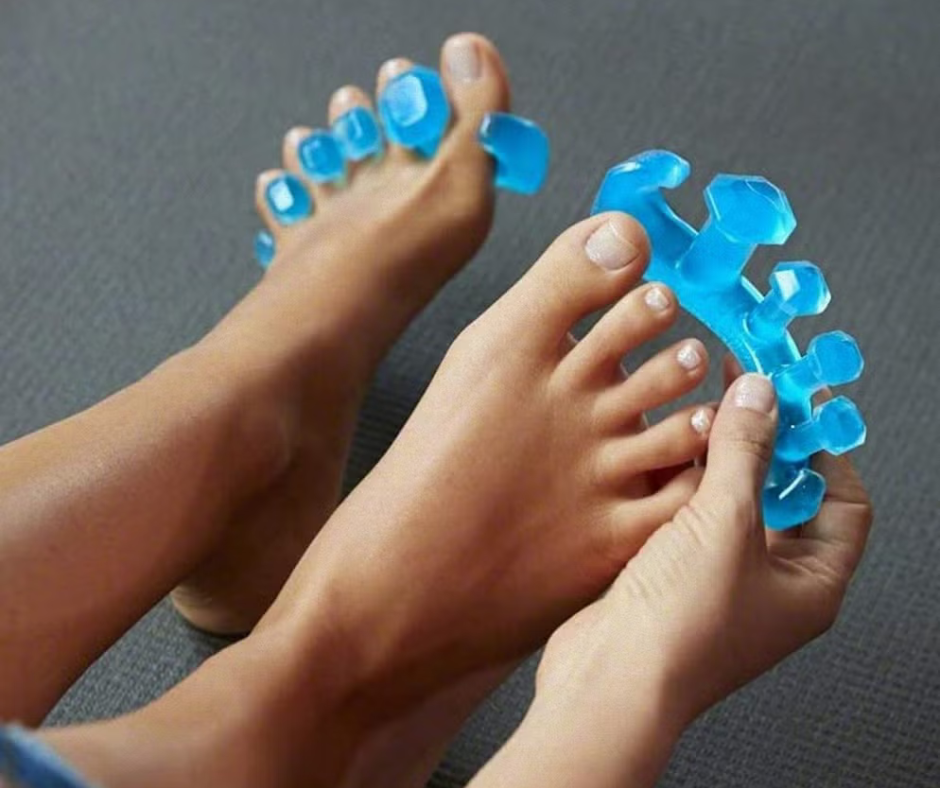
If you spend any time on fitness or wellness social media, you’ve probably seen those colorful silicone devices that look like a pedicure tool gone rogue. Toe spacers, also known as toe spreaders or separators, are being marketed as a cure-all for everything from bunions to poor balance. But before you start wearing them around the house, you might be wondering if we at PodiatryCare, PC, and the Heel Pain Center think they’re worth using.
The Benefits of Realigning Your Digits
For most of your life, you have probably been wearing shoes with a tapered toe box. This naturally squishes your toes together, which can cause the muscles and tendons to shorten and tighten over time.
This is where toe spacers come in handy, not just for the nail salon.
Relieving Pressure and Pain
If you have overlapping toes or a bunion that is starting to irritate the toe next to it, spacers provide immediate mechanical relief. By physically separating the toes, they prevent the skin-on-skin friction that leads to corns, calluses, and blisters. For our patients, this simple bit of silicone is the difference between a painful walk and a comfortable one.
Stretching Your Foot Muscles
By holding your toes in a more natural, splayed position, you are giving the small muscles inside your foot a chance to stretch and relax. This can be especially helpful for people dealing with the early stages of hammertoes or those who feel a lot of tension in their forefoot after a long day in dress shoes.
The Myths: What Toe Spacers Won't Fix
It is important to manage your expectations. A common myth is that wearing spacers will permanently reverse a bunion. While they can help align the toe while you are wearing them and relieve some of the associated pain, they won't shift the bone back to its original position.
Once a bony deformity like a bunion has formed, spacers are a management tool, not a corrective surgery in a box.
How to Incorporate Toe Spacers Safely
If you want to give toe spacers a try, these two simple rules can help you avoid foot fatigue.
Start Slow: Don’t try to wear them for eight hours on day one. Start with 15 to 30 minutes while you are sitting on the couch and gradually increase the time as your feet adapt.
Combine With Wide Shoes: There is no point in wearing spacers if you are just going to shove your feet back into narrow shoes afterward. Look for footwear with a wide, anatomical toe box to give your toes room to stay splayed.
Happy toe spacing!
At PodiatryCare, PC, and the Heel Pain Center, we care for a wide variety of foot and ankle ailments. Dr. Matthew Tschudy, Dr. Rebecca Wiesner, Dr. Kristen Winters, Dr. Laura Vander Poel, and the rest of our teamare ready to serve our Hartford County patients. To schedule an appointment at our Enfield location, call (860) 741-3041; for an appointment at our South Windsor location, call (860) 644-6525.