Why Your Heels Crack Every Winter (And What to Do)
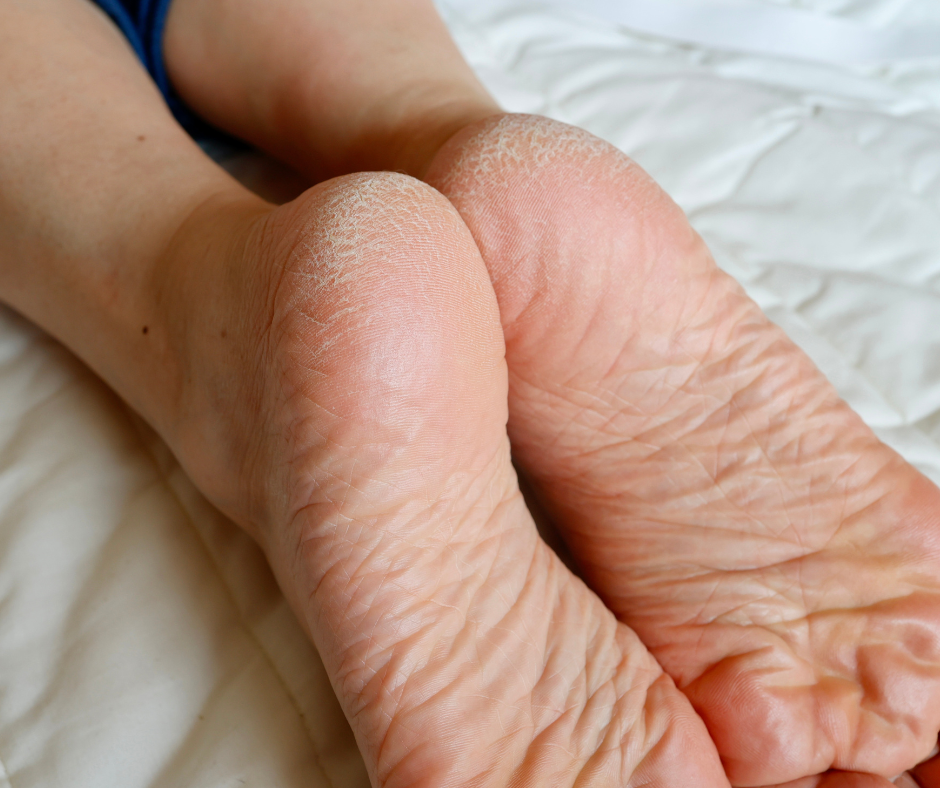
Winter has a way of sucking the life and moisture right out of your skin. While chapped lips are annoying, nothing compares to the deep, painful canyons that can form on your heels during the colder months. We at PodiatryCare, PC, and the Heel Pain Center want you to know that these aren't just cosmetic concerns, however. Deep heel cracks can bleed, sting with every step, and even become a gateway for infection. Let’s go over why this happens and what to do about it.
Cracked Heels and Moisture
The biggest culprit is the lack of humidity. Cold air holds way less moisture than warm air, so when the temperature drops, the air outside becomes incredibly dry. Then, you head indoors and blast the central heating, which dries out the air even further.
This dry environment acts like a sponge, pulling water out of your skin constantly. Since the skin on your heels is thicker and less elastic than elsewhere on your body, it relies heavily on hydration to stay flexible. Without it, that thick pad of skin hardens and loses its ability to stretch.
Cracked Heels and Walking
Here is where it gets painful. Your heel pad is designed to squish and expand sideways every time you take a step. When that skin is hydrated and supple, it stretches nicely.
But when the winter air has turned your heels into a hard, dry callous, it can't stretch. So it splits instead.
It’s like trying to stretch a piece of dry clay versus wet clay. The dry clay just cracks under pressure. Standing for long hours on hard floors with dry heels is basically asking for these splits to happen.
Cracked Heels and Infection
The real danger of winter heel cracks isn't just the pain; it's the risk of infection. A deep fissure splits the protective barrier of the skin and creates an open portal for bacteria and fungi (which love dark, warm boots) to enter the bloodstream.
For anyone with diabetes or a compromised immune system, a simple cracked heel can escalate into a serious complication known as cellulitis.
Fixing Cracked Heels
Standard watery lotions won’t cut it for the thick skin of the foot. You need heavy-duty creams containing urea or lactic acid, which work to dissolve the hard, dead skin while driving moisture deep.
Treating the skin before it splits is the only way to keep your winter walks painless. But every person is different. Come on down to our office for a professional evaluation of your cracked heels.
At PodiatryCare, PC, and the Heel Pain Center, we care for a wide variety of foot and ankle ailments. Dr. Charlotte George, Dr. Matthew Tschudy, Dr. Rebecca Wiesner, Dr. Kristen Winters, Dr. Laura Vander Poel, and the rest of our team are ready to serve our Hartford County patients. To schedule an appointment at our Enfield location, call (860) 741-3041; for an appointment at our South Windsor location, call (860) 644-6525.