Does Your Child Have Sever’s Disease?
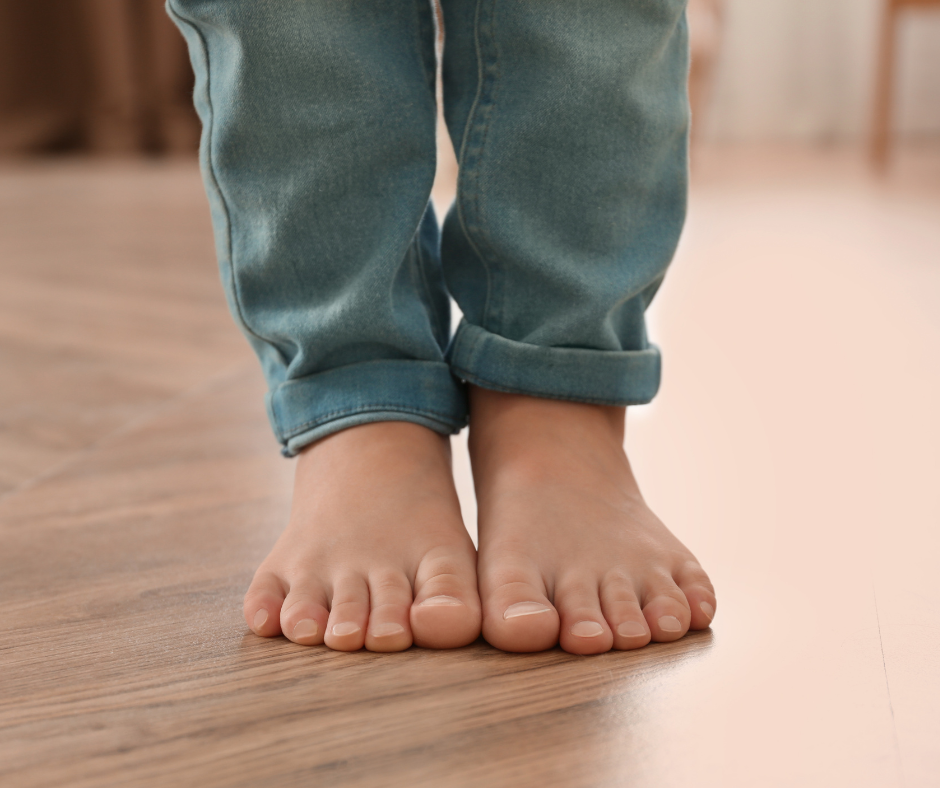
If you have a child between the ages of 8 and 14 who is active in sports, you may have heard them complain about nagging heel pain. Often, this discomfort peaks during soccer season or gymnastics practice. While parents usually worry about stress fractures or tendonitis, the most common culprit for heel pain in young athletes is a condition called Sever's disease, which we at PodiatryCare, PC, and the Heel Pain Center explain in detail below.
What Exactly is Sever’s Disease?
Despite the name, Sever’s disease is not actually a disease. It is a developmental condition known as calcaneal apophysitis. In simple terms, it is an inflammation of the growth plate located at the back of the heel.
During puberty, bones often grow faster than muscles and tendons. In the case of Sever’s disease, the heel bone grows at a rate that the Achilles tendon cannot quite keep up with. This causes the tendon to become tight and pull on the sensitive growth plate.
This causes, you guessed it, heel pain.
Common Symptoms of Sever’s Disease to Watch For
The symptoms of Sever’s disease usually appear gradually and are closely tied to physical activity. You should look for the following signs in your child:
Heel pain that worsens during or after running or jumping.
A noticeable limp, especially at the end of a game or practice.
Walking on toes to avoid putting pressure on the heel.
Tenderness when you squeeze the back of the heel bone.
Mild swelling or redness around the heel area.
Should Parents Be Worried About Sever’s Disease?
The good news is that Sever’s disease is not a long-term threat. It does not cause permanent damage or arthritis, and it does not affect how the foot will develop in adulthood. It is a self-limiting condition, meaning it will eventually go away on its own once the growth plate finishes hardening into solid bone, typically by age 15.
However, while it is not dangerous, the pain is very real and can significantly impact a child’s enjoyment of sports if left unmanaged.
How We Treat Sever’s Disease
Treatment for Sever’s disease focuses on reducing inflammation and taking the tension off the Achilles tendon. This may involve stretching exercises, temporary activity modification, or the use of heel lifts and custom orthotics to support the foot.
If you suspect your child has Sever’s Disease, schedule a consultation today so we can get them back in the game pain-free.
At PodiatryCare, PC, and the Heel Pain Center, we care for a wide variety of foot and ankle ailments. Dr. Matthew Tschudy, Dr. Rebecca Wiesner, Dr. Kristen Winters, Dr. Laura Vander Poel, and the rest of our team are ready to serve our Hartford County patients. To schedule an appointment at our Enfield location, call (860) 741-3041; for an appointment at our South Windsor location, call (860) 644-6525.