4 Causes of Achilles Tendonitis That Aren’t Running
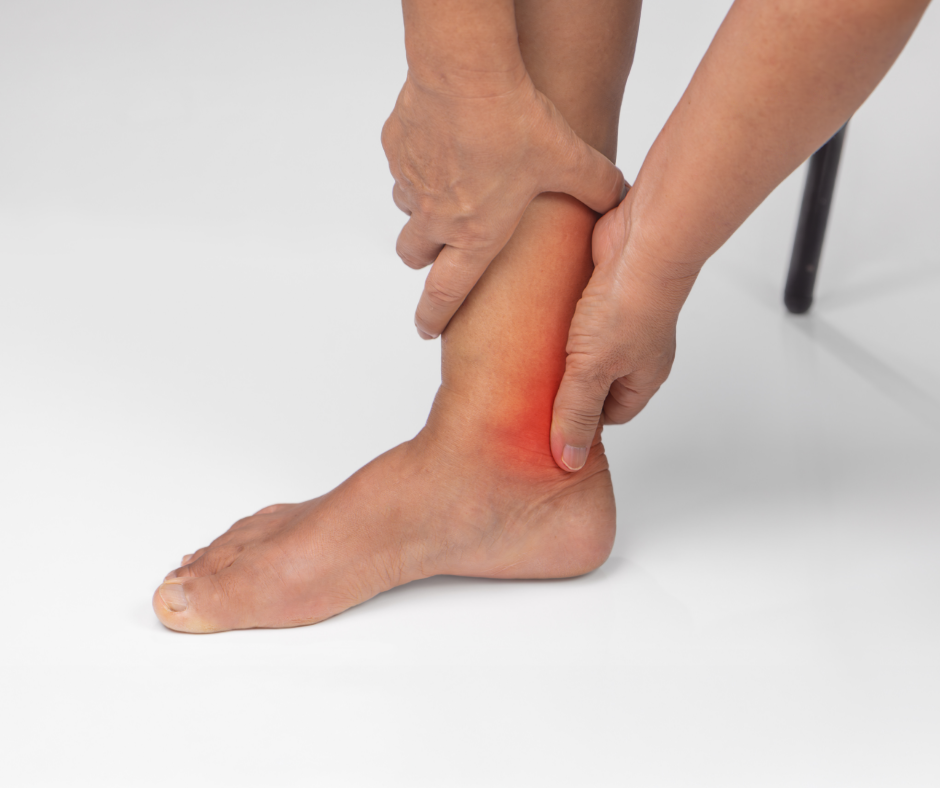
We typically associate Achilles tendonitis with marathon running and sports injuries. Still, the reality is that you do not need to be a gym rat or health nut to damage this powerful tendon. In fact, many people we’ve treated at PodiatryCare, PC, and the Heel Pain Center develop Achilles pain through simple lifestyle habits, medical factors, or even their choice of footwear. If you have been feeling a nag in your heel but haven’t been hitting the track, here is how you might have unknowingly strained your Achilles.
Footwear
If you spend a lot of time wearing high heels or even boots with a significant lift, your Achilles tendon begins to shorten over time because it is constantly held in a contracted position.
The problem usually starts when you suddenly switch to flat shoes, like sneakers or flip-flops, for a long day of walking. Because the tendon has become accustomed to being short, forcing it to stretch out to its full length for a long period creates tension.
Medical Side Effects
You might be surprised to learn that a trip to the doctor for a completely unrelated issue can actually put your Achilles at risk.
Certain types of antibiotics have been linked to an increased risk of tendonitis and even tendon ruptures. These medications can weaken the collagen fibers that make up the tendon and make it much more vulnerable to damage during normal movements like walking up a flight of stairs (consult your doctor for more information).
Systemic Health Issues
If you are living with diabetes or high blood pressure, the circulation to your feet is often weak. And since the Achilles already has a somewhat limited blood supply, any further reduction means the tendon cannot repair the tiny bits of wear and tear that happen every day.
Everyday Life
If you have a job that requires you to stand on hard surfaces for eight hours a day, or if you spend your weekend climbing up and down a ladder to clean out your gutters, you are putting a repetitive strain on your heel.
Even a sudden change in your environment, like moving to a new house with lots of stairs or walking on uneven, frozen ground during the winter, can force your Achilles to work harder than it is used to.
Of course, doing all of this while carrying a bit of extra weight increases the chances of the tendon reaching its breaking point.
At PodiatryCare, PC, and the Heel Pain Center, we care for a wide variety of foot and ankle ailments. Dr. Matthew Tschudy, Dr. Rebecca Wiesner, Dr. Kristen Winters, Dr. Laura Vander Poel, and the rest of our team are ready to serve our Hartford County patients. To schedule an appointment at our Enfield location, call (860) 741-3041; for an appointment at our South Windsor location, call (860) 644-6525.