What Are Heel Spurs, and Do You Have One?
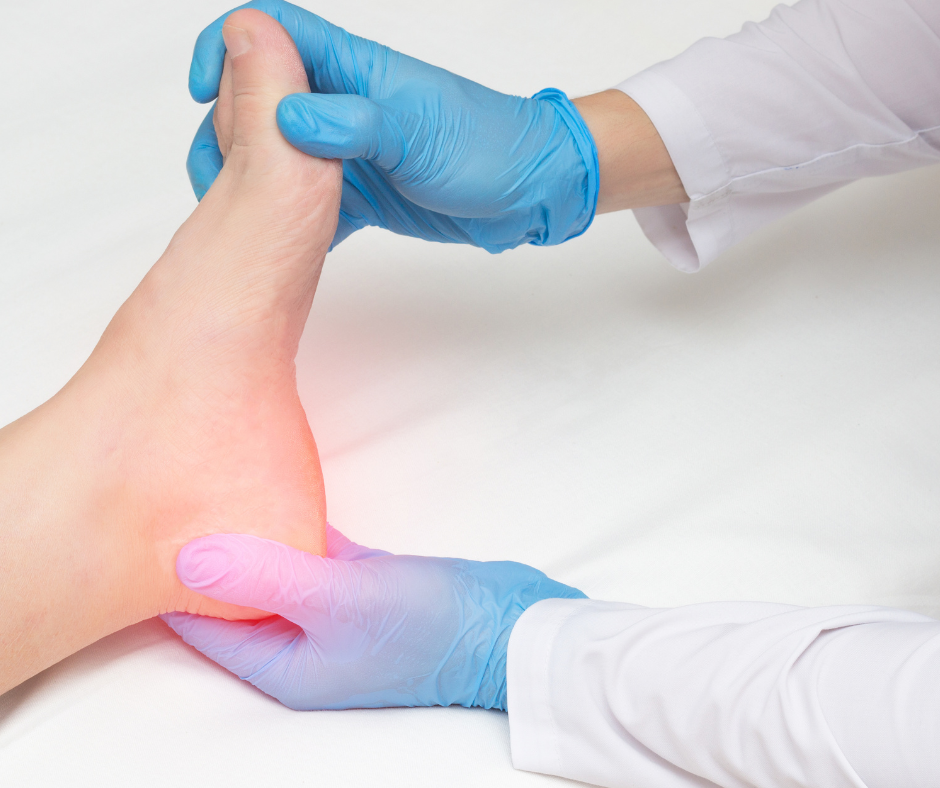
While many of our patients at PodiatryCare, PC, and the Heel Pain Center freak out that they have a bony bump at the bottom of their heel, we usually reassure them. These little bony protrusions can be a real nuisance, but understanding why they show up and how they act is the first step toward getting your stride back. Let’s explore what heel spurs are and how they form.
What Is a Heel Spur?
Think of a heel spur as your body’s attempt to protect itself, even if it’s a bit misguided. Formally known as a calcaneal spur, it is a calcium deposit that builds up on the underside of your heel bone. Over several months, this buildup hardens into a bony spike that can stick out by about half an inch.
The interesting thing is that the spur itself isn't always what hurts. In many cases, the pain comes from the soft tissue around the spur being irritated or from the plantar fascia being pulled too tight.
In fact, many people have heel spurs and never even know it until they get an X-ray for an unrelated issue.
Why Is Your Body Building Extra Bone?
You can sustain a heel spur through a slow wear-and-tear process rather than a sudden injury. The most common cause is repetitive strain on your foot's muscles and ligaments. When your plantar fascia is constantly pulled away from the heel bone, your body tries to fix the gap by filling it with calcium.
You are at a higher risk for heel spurs if you wear shoes that lack proper arch support, walk with an uneven gait, spend all day on hard surfaces, or have high arches or flat feet.
How to Tell if You Have a Bone Spur
Because bone spurs are often painless, we must be a bit like detectives. If you go in with heel pain and an X-ray shows a spur, it is very easy to blame the bone. However, a good exam will look at whether your pain is coming from plantar fasciitis, a bruised fat pad, or even a pinched nerve.
In many cases, once you treat the inflammation through better shoes, stretching, or orthotics, the pain disappears even though the bone spur is still exactly where it was before. The spur stays, but the pain goes because the surrounding tissue is no longer inflamed.
The only way to truly tell if your bone spur is a problem is by coming to see us or a trusted podiatrist.
At PodiatryCare, PC, and the Heel Pain Center, we treat an expansive variety of foot and ankle ailments. Dr. Charlotte George, Dr. Matthew Tschudy, Dr. Rebecca Wiesner, Dr. Kristen Winters, Dr. Laura Vander Poel, and the rest of our team are ready to serve our Hartford County patients. To schedule an appointment at our Enfield location, call (860) 741-3041; for an appointment at our South Windsor location, call (860) 644-6525.