5 Ways High Heels Can Damage Your Feet
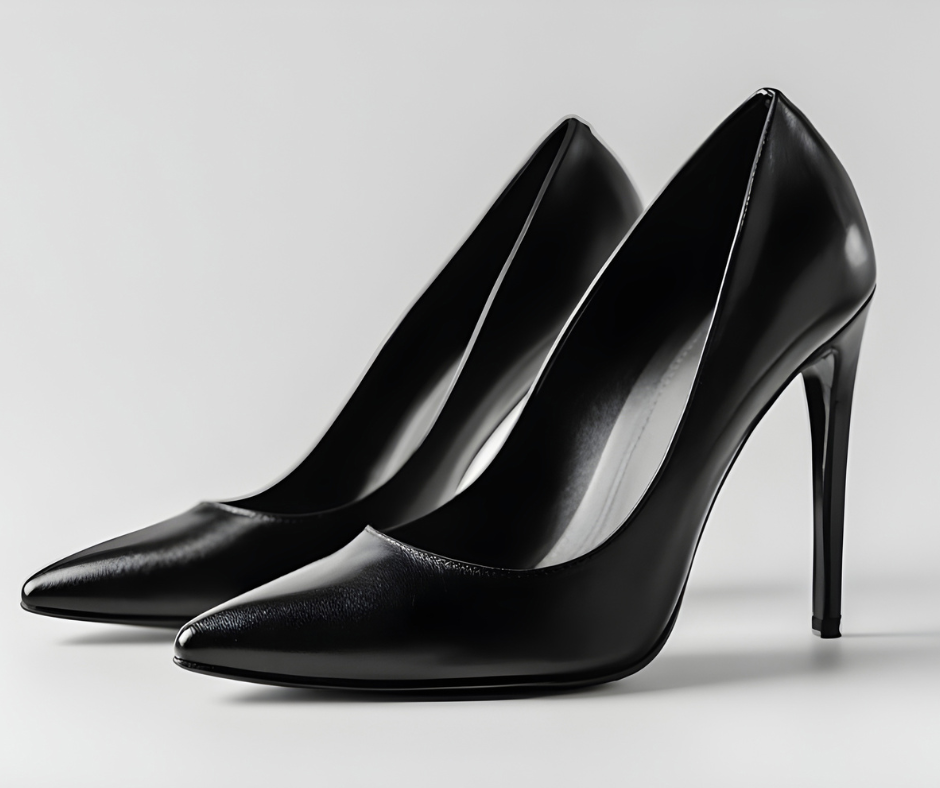
High heels might make you look taller, but they shorten your feet’s resilience. They are arguably the most taxing footwear choice for your anatomy, and no, not only because they can lead to a bunion down the line. We at PodiatryCare, PC, and the Heel Pain Center routinely see foot problems caused by high heels, so let’s unpack what the most common culprits are.
The Front-Loading Problem
Your foot is designed to distribute your body weight across the entire surface of the sole, with the heel bone taking a significant portion of the load. When you step into a high heel, that weight is shifted forward.
Did you know that a three-inch heel can increase the pressure on the ball of your foot by over 70%?
This chronic front-loading leads to a phenomenon called metatarsalgia, where the bones and nerves in the ball of the foot become inflamed. Over time, this pressure can even cause the protective fat pad on the bottom of your foot to thin out or shift, which is also known as fat pad atrophy.
Shortening the Achilles Tendon
When you wear heels consistently, your heel is permanently elevated. This puts your Achilles tendon and calf muscles in a shortened, contracted state.
If you wear heels every day, your body eventually adapts to this new normal. The Achilles tendon can lose its flexibility and become physically shorter, which makes it painful to walk barefoot or in flat sneakers.
Ankle Instability
High heels turn your ankle into an unstable pivot point. Because the base of the shoe is often narrow (especially in stilettos), your ankle's stabilizing ligaments must work ten times harder to keep you upright.
This position makes you vulnerable to lateral ankle sprains. Plus, because your center of gravity is pushed forward, your knees and lower back have to arch and compensate to keep you from falling.
Bunions and Hammertoes
When you slide your foot into a heel, it often ends in a narrow, pointed toe box. This forces your big toe to angle inward toward your other toes.
Over time, this constant pressure can lead to the formation of bunions.
At the same time, your smaller toes are forced into a curled position, which can cause the tendons to shorten permanently and result in hammertoes.
Nerve Compression and Neuromas
Do you feel a tingling or burning sensation between your third and fourth toes? This is often a Morton's Neuroma, where the tissue around the nerves leading to your toes thickens due to irritation. It can feel like you are constantly stepping on a marble, which makes even a short walk to the grocery store painful.
At PodiatryCare, PC, and the Heel Pain Center, we care for a wide variety of foot and ankle ailments. Dr. Matthew Tschudy, Dr. Rebecca Wiesner, Dr. Kristen Winters, Dr. Laura Vander Poel, and the rest of our team are ready to serve our Hartford County patients. To schedule an appointment at our Enfield location, call (860) 741-3041; for an appointment at our South Windsor location, call (860) 644-6525.