The "Maximalist" Sneaker Craze: When Too Much Cushioning is a Bad Thing
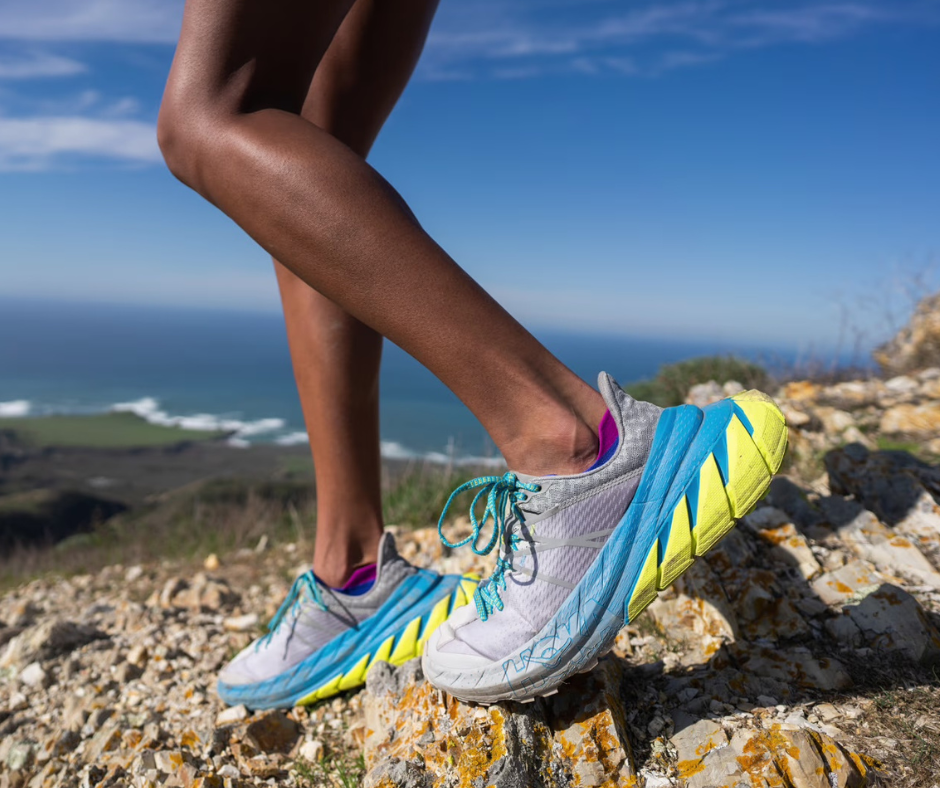
Look around any gym, grocery store, or local running trail, and you are bound to see them: maximalist sneakers. Featuring inches of ultra-thick, chunky foam, these shoes have completely taken over the footwear market. They promise the ultimate sensation of "walking on clouds" and are marketed as the perfect cure for aching feet.
But is all that extra padding actually good for you?
While slipping into a deeply cushioned shoe feels good initially, relying on them every day can create more problems than it solves. In this blog, Podiatry Care, P.C. and the Heel Pain Center explain why the maximalist sneaker craze might be doing your feet a disservice…and when too much cushioning becomes a bad thing.
The Illusion of the "Cloud"
Maximalist shoes are fantastic at one specific thing: shock absorption.
If you work long shifts standing on concrete floors, that extra foam can temporarily relieve stress on your heels. However, many buy these shoes to self-treat chronic arches or heel pain. And it never works.
· If you are dealing with severe heel pain, masking it with foam does not solve the underlying mechanical issue.
· If you want to truly heal, there are at least five ways to relieve plantar fasciitis pain without sacrificing your lifestyle that involve addressing the root cause (rather than just walking on a thicker sponge!)
The Loss of Proprioception (Ground Feel)
Your feet are packed with thousands of nerve endings that constantly communicate with your brain, telling it how to balance, adjust, and move based on the ground beneath you. This is called proprioception.
· When you put two inches of plush foam between your foot and the floor, you mute that communication. Without a good "ground feel," your stride can become sloppy.
· If you are struggling with finding your stride and mastering proper walking and running form, highly cushioned shoes can actually make it harder to correct your mechanics because you cannot feel how your foot is striking the pavement.
Ankle Instability and Wobble
Think about standing on a hardwood floor versus standing on a plush mattress.
Which one requires more effort from your ankles to stay upright?
· Thick, squishy soles create an inherently unstable surface. Your ankles have to work overtime to keep your foot level, which can easily lead to fatigue or sprains.
· If you are doing lateral movements at the gym or adding resistance like ankle weights, maximalist shoes can put you at a serious risk of rolling an ankle.
· If you consistently feel wobbly in your sneakers or experience frequent sprains, that is one of the top five signs that every athlete needs to see a podiatrist.
Masking the Real Issues
Oftentimes, people turn to maximalist shoes (or viral internet fixes to see what toe spacers actually do for your feet) because they are trying to accommodate a structural problem like a bunion or severe flat feet.
· If you have a bunion, the squishiness of the sole matters far less than the width of the toe box.
· Learning how to exercise with a bunion and stop joint pain is about reducing friction and joint stress, not necessarily adding more foam under the heel.
· If your feet overpronate (roll inward), a thick layer of soft foam will compress under your weight, exaggerating the inward roll and causing knee and hip pain.
Find the Right Balance with Us!
Instead of buying a thicker shoe, you need structural support.
This is exactly why store-bought insoles fail. A rigid, custom-molded orthotic inside a supportive, moderate-cushion shoe will always outperform a maximalist shoe when it comes to biomechanical alignment.
Maximalist shoes have their merits. But if you need help picking the perfect pair, don’t chase the trends. Just call us. We can help!
At PodiatryCare, PC, and the Heel Pain Center, we care for a wide variety of foot and ankle ailments. Dr. Matthew Tschudy, Dr. Rebecca Wiesner, Dr. Kristen Winters, Dr. Laura Vander Poel, and the rest of our team are ready to serve our Hartford County patients. To schedule an appointment at our Enfield location, call (860) 741-3041; for an appointment at our South Windsor location, call (860) 644-6525.